
How To Dehydrate Vegetables Commercially?
Understanding the Basics of Vegetable Dehydration
Vegetable dehydration is a popular method utilized to preserve produce, extending its shelf life while retaining essential nutrients. To dehydrate vegetables commercially, understanding the fundamental principles and techniques is vital. This process not only reduces weight and volume but also intensifies flavors. By removing moisture, we inhibit the growth of microorganisms, ensuring the vegetables remain edible for extended periods. Let’s explore how you can effectively dehydrate vegetables for commercial purposes.
Check out our selection of dehydrated red bell peppers that are great in stews, soups, or as a quick meal accompaniment.

Methods of Dehydration
There are several methods to dehydrate vegetables, each with its advantages. The most common methods include air drying, sun drying, and using dehydrators or commercial ovens. Air drying requires minimal equipment but may take longer. Sun drying is effective in sunny climates, while dehydrators and commercial ovens provide the most efficient and consistent results. Understanding these methods will help you choose the best approach for your business.
Want to explore more? Head over to our homepage and see what we have to offer!
Steps to Dehydrate Vegetables
Dehydrating vegetables involves a few critical steps to ensure quality and safety. Begin with washing and slicing the vegetables, followed by blanching to preserve color and nutrients. Then, select your preferred drying method and monitor the process until the vegetables achieve the desired dryness. Once dehydrated, proper packaging is essential for maintaining quality.
Choose fresh, high-quality vegetables
Wash and slice uniformly
Blanch if necessary
Use a dehydrator or an oven
Store in airtight containers
Storing Dehydrated Vegetables
After dehydration, proper storage is crucial. Use airtight containers and store them in a cool, dark place to maximize shelf life. Understanding moisture absorption is key, as even small amounts can lead to spoilage.
This is just one of many great blogs we have—explore more right here.
Store in cool, dry environments
Avoid sunlight exposure
Use vacuum-sealed bags if possible
"Mastering the art of vegetable dehydration can open doors to a thriving business."
Why Choose to Dehydrate Vegetables Commercially?
When businesses opt to dehydrate vegetables commercially, they unlock a multitude of benefits that extend far beyond mere shelf life. Dehydrating vegetables not only preserves their nutritional content but also enhances their flavor, making them a versatile ingredient in a variety of culinary dishes. This process allows producers to cater to a growing market that demands convenience without sacrificing quality.
Check out our selection of dehydrated red bell peppers that are great in stews, soups, or as a quick meal accompaniment.

Benefits of Dehydrated Vegetables
One of the primary advantages of dehydrated vegetables is their extended shelf life. By removing moisture, these vegetables can be stored for months without refrigeration. Additionally, dehydrated vegetables are lightweight, reducing shipping costs and storage space. For consumers, this means easy meal preparation and the ability to enjoy seasonal flavors year-round.
Nutritional Aspects
Contrary to some beliefs, dehydrating vegetables does preserve most of their vitamins and minerals. The process retains essential nutrients, making them a healthy choice for busy lifestyles. For instance, carrots, peppers, and spinach can be dehydrated while still offering significant health benefits.
Extended shelf life
Convenient packaging
Minimal food waste
Rich flavor retention
Investing in commercial vegetable dehydration ensures high quality and flavor that consumers seek.
Vegetable | Nutritional Value Before Dehydrating | Nutritional Value After Dehydrating |
Carrots | 41 calories, 0.9g protein | 36 calories, 0.8g protein |
Spinach | 23 calories, 2.9g protein | 24 calories, 3g protein |
Final Thoughts
Choosing to dehydrate vegetables commercially can revitalize your business model and appeal to health-conscious consumers. The culinary potential of dehydrated veggies is vast, ensuring that you can cater to modern tastes. If you are looking for low energy consumption and high shelf life ingredients, dehydrated vegetable products are not to be missed.
Embrace innovation in food preservation.
Enhance your product lineup with unique flavors.
“Dehydrate vegetables commercially to redefine convenience and nutrition for your customers.” Want to make your cooking healthier? Try our dehydrated cabbage for quick cooking and retaining nutrients.
Essential Equipment for Commercial Vegetable Dehydration
To successfully dehydrate vegetables commercially, having the right equipment is crucial. Quality dehydration not only preserves the freshness and nutritional value of the produce but also enhances shelf life. Essential equipment includes dehydrators, slicers, and packaging machines, each integral in achieving high-quality results. Investing in the right tools ensures efficient operations and maximizes profit potential in the competitive market of dehydrated vegetables.
Check out our selection of dehydrated red bell peppers that are great in stews, soups, or as a quick meal accompaniment.
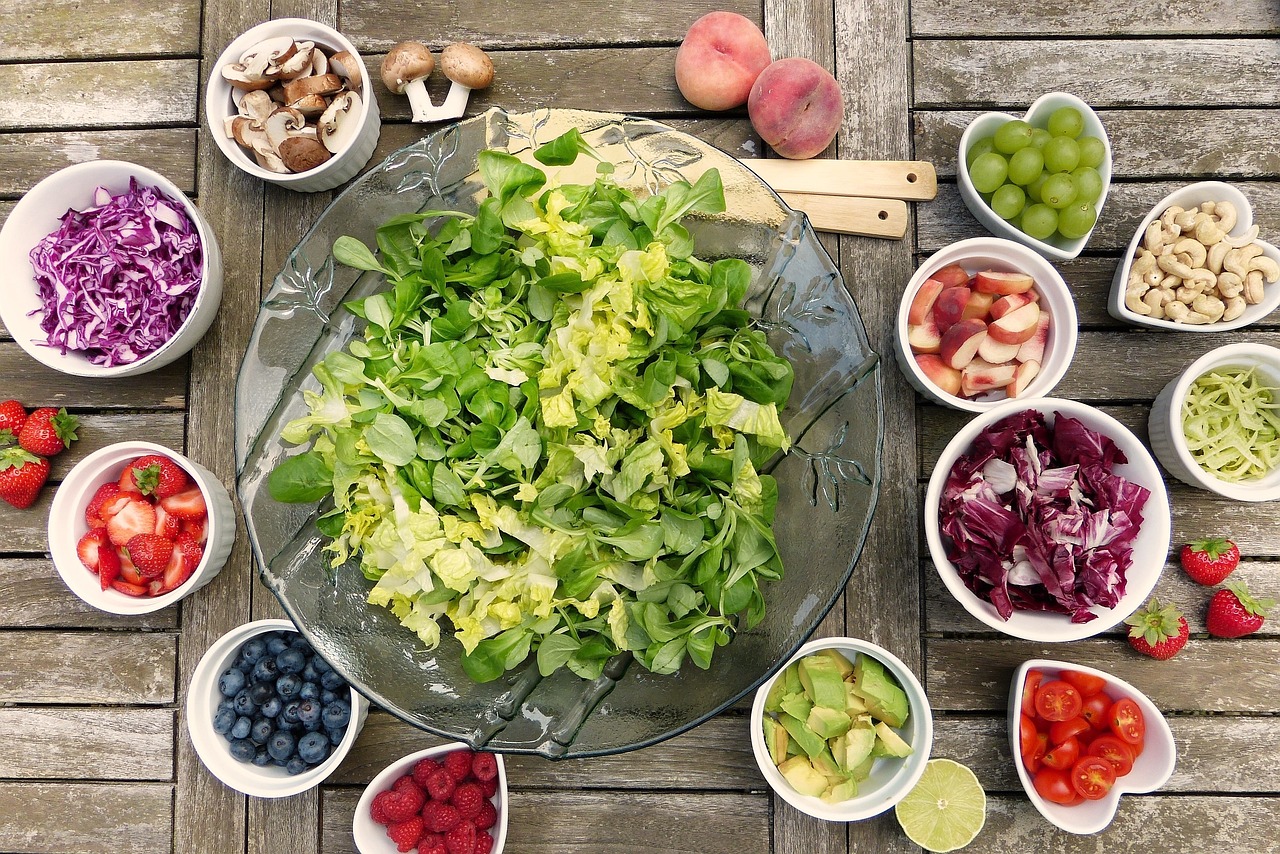
Dehydrators
A key component in any commercial vegetable dehydration setup is the dehydrator. Several types of dehydrators, including tray and continuous flow models, are available. They utilize low heat and airflow to remove moisture effectively. When selecting a dehydrator, consider the size, capacity, and energy efficiency, as these features can impact both production time and cost. The right choice will enhance the quality of your dehydrated products and optimize your workflow.
Slicers and Preprocessing Equipment
Preprocessing vegetables properly is essential for consistency and even drying. Commercial vegetable slicers help ensure uniform sizes, allowing for efficient dehydration. Additionally, before dehydration, it may be necessary to blanch some vegetables to maintain color and flavor. Having reliable slicing and blanching equipment is vital to creating high-quality dehydrated vegetables.
Dehydrators (Tray or Continuous Flow)
Commercial Vegetable Slicers
Blanching Equipment
Packaging Machines
Let’s look at a table summarizing essential equipment:
Equipment Type | Function |
Dehydrator | Removes moisture from vegetables |
Slicer | Ensures uniform produce sizes |
Blancher | Prepares vegetables for dehydration |
Packaging Machine | Seals and preserves dehydrated products |
Additional Considerations
When you dehydrate vegetables commercially, ongoing maintenance and efficient workflows are also critical. Regular cleaning and monitoring of moisture levels will ensure quality and safety in your products.
Want to explore more? Head over to our homepage and see what we have to offer!
Monitor moisture levels
Regular cleaning and maintenance
Invest in quality equipment
The right equipment can significantly impact the quality of your dehydrated vegetables, leading to higher customer satisfaction and increased sales.
Step-by-Step Process to Dehydrate Vegetables Efficiently
Dehydrating vegetables commercially can maximize flavor and shelf life, making it a valuable process for food businesses. Following a structured approach ensures high-quality results and efficient preservation. By understanding the step-by-step process, you can achieve optimal dehydration while retaining the nutrients necessary for quality products.
Check out our selection of dehydrated red bell peppers that are great in stews, soups, or as a quick meal accompaniment.

Preparation of Vegetables
The initial step in the process involves selecting fresh and ripe vegetables. Clean them thoroughly to remove dirt, and cut them into uniform pieces to promote even drying. Blanching may be necessary for certain vegetables, as it can help retain color and reduce enzyme activity. Always ensure that the vegetables you choose are suitable for commercial dehydration.
Dehydration Methods
Once prepared, select the dehydration method that best fits your commercial needs. Options include air drying, oven drying, and using electric dehydrators. Each method has its advantages; for example, electric dehydrators can maintain consistent temperatures, which is crucial for effective dehydration. The selected technique will impact both the final texture and flavor profile of the vegetables.
Set the right temperature.
Monitor drying time closely.
Store in moisture-proof containers.
Proper storage methods post-dehydration are essential to maintain quality. Ensure that the final product is completely dry before sealing them in airtight containers to prevent moisture absorption.
Vegetable Type | Recommended Drying Time (Hours) | Ideal Temperature (°F) |
Carrots | 6-12 | 125 |
Bell Peppers | 4-6 | 125 |
Zucchini | 6-8 | 125 |
Quality Control
Consistently check your dehydrated vegetables for quality. Look for uniform color, texture, and absence of moisture. Proper quality control is vital for ensuring your commercial products meet customer expectations and retain their nutritional value.
This is just one of many great blogswe have—explore more right here.
Inspect for signs of spoilage.
Label and date each batch.
Test products for flavor and texture consistency.
“A successful commercial dehydration process is built on the foundation of meticulous preparation, careful monitoring, and stringent quality control.”
Want to explore more? Head over to our homepage and see what we have to offer!
Best Vegetables for Commercial Dehydration Success
When looking to dehydrate vegetables commercially, choosing the right produce is crucial for success. Certain vegetables not only retain their flavors when dried but also have an extended shelf life, making them perfect candidates for commercial dehydration. Focusing on popular varieties ensures both profitability and customer satisfaction. If you're venturing into vegetable dehydration, consider incorporating these vegetables into your product line for optimal results.
Check out our selection of dehydrated red bell peppers that are great in stews, soups, or as a quick meal accompaniment.

Top Choices for Dehydration
Among the most favored vegetables for drying are carrots, bell peppers, and tomatoes. These vegetables not only dry well but also offer versatility in cooking. Carrots lend themselves to soups and stews, while bell peppers can enhance stir-fries. Tomatoes are a favorite in pasta dishes and salads.
Essential Varieties to Consider
Beyond the staples, there are lesser-known yet equally effective options. Zucchini, onions, and peas can add unique flavors to your products. These vegetables expand your offerings and cater to diverse culinary preferences, making them excellent to dehydrate vegetables commercially.
Carrots
Bell Peppers
Tomatoes
Zucchini
Onions
Peas
Vegetable | Drying Time (Hours) | Storage Life (Months) |
Carrots | 6-8 | 12 |
Tomatoes | 8-10 | 12 |
Onions | 7-9 | 12 |
Choosing the Right Methods
Utilizing effective techniques for drying can enhance quality and taste. Consider investments in high-quality dehydrators and ensure proper airflow throughout the process to maximize results.
Invest in quality dehydrators
Maintain consistent temperature
Ensure ample airflow
"The right vegetables can make or break your commercial dehydration venture. Choose wisely!"
This is just one of many great blogs we have—explore more right here.
Quality Control in Dehydrating Vegetables on a Large Scale
When you decide to dehydrate vegetables commercially, ensuring the highest quality is essential for consumer satisfaction and product longevity. A structured quality control system is paramount during each stage of the dehydration process, from raw material selection to the final product packaging. Implementing stringent quality checks helps prevent potential issues and ensures a consistently great product that meets market demands.
Check out our selection of dehydrated red bell peppers that are great in stews, soups, or as a quick meal accompaniment.

Raw Material Inspection
Before starting the dehydration process, the selection of fresh, high-quality vegetables is crucial. This step not only affects the taste and appearance of the end product but also influences its nutritional value. Rigorous inspections and adherence to supplier quality standards should be in place to ensure that only the best produce is used.
Monitoring the Dehydration Process
During the dehydration phase, maintaining optimal temperature and humidity levels is vital. A dedicated team should monitor these conditions to avoid product spoilage and retain the veggies' essential nutrients. Regular calibrations of machines and adherence to SOPs (Standard Operating Procedures) will also enhance operational efficiency.
Visual inspection for discoloration or damage
Moisture content analysis
Storage conditions evaluation
Quality Control During Dehydration | Actions Required |
Raw Material Quality | Supplier audits and sample testing |
Process Monitoring | Use of thermometers and humidity gauges |
End Product Testing | Taste tests and nutrient analysis |
Packaging and Storage
Packaging is just as important as the processing phase when you dehydrate vegetables commercially. Proper packaging not only preserves the product but also extends its shelf life, thereby reducing waste and improving profitability. Ensuring that the packaging is airtight and moisture-resistant is crucial for maintaining quality over time.
If you are looking for low energy consumption and high shelf life ingredients, dehydrated vegetables products are not to be missed.
Choose vacuum-sealed packaging for freshness
Label contents with nutritional information
Implement FIFO (First In, First Out) storage method
"In quality control, every step matters. Striving for excellence ensures the best product for your customers."
Want to explore more? Head over to our homepage and see what we have to offer!
Innovative Uses for Dried Vegetables in the Market
Dried vegetables are gaining recognition in various industries beyond simple snacking. To meet the growing demand for convenience and nutrition, many companies are looking to dehydrate vegetables commercially. This method not only preserves the flavor and nutrients but also offers innovative ways to incorporate these ingredients into everyday meals. From soups to seasonings, the potential is vast.
Check out our selection of dehydrated red bell peppers that are great in stews, soups, or as a quick meal accompaniment.

Creative Meal Solutions
One exciting application of dried vegetables is in meal kits and ready-to-eat meals, where dehydrated ingredients enhance flavor without the need for refrigeration. By dehydrating vegetables commercially, producers can offer consumers an extensive variety of meal options that are easy to prepare while ensuring the meals remain shelf-stable. This approach not only caters to today’s busy lifestyles but also reduces food waste.
Want to make your cooking healthier? Try our dehydrated cabbage for quick cooking and retaining nutrients.
Nutritious Snacks
In the snack food industry, dried vegetables are becoming a preferred alternative to traditional snacks. Companies experiment with different vegetable combinations to create unique flavors and health-focused snack options. Snacks made from dehydrated vegetables are high in fiber and vitamins while being low in calories, appealing to a health-conscious audience.
If you are looking for low energy consumption and high shelf life ingredients, dehydrated vegetable products are not to be missed.
Dehydrated vegetable chips
Dried vegetable powders for seasoning
Instant soups and broths
Product | Use Case | Benefits |
Dried Veggie Chips | Snack alternatives | Low-calorie, nutrient-dense |
Vegetable Seasoning | Soups and sauces | Enhanced flavor, easy storage |
Future Trends
The market is moving toward increasing the variety of flavors and types of vegetables offered. As creative applications emerge, more businesses will find ways to benefit from dehydrated goods. It's an exciting time in the culinary world, and consumer interest is high.
If you want to add a rich mushroom flavor to your dishes, try, dehydrated porcini mushrooms which are full of flavor and easy to store.
Increased partnerships with farmers
Expansion into international markets
Focus on sustainability
“Dried vegetables are revolutionizing our meals; they’re not just for soups anymore.”
FAQs About Commercial Vegetable Dehydration
When businesses look to dehydrate vegetables commercially, they often have numerous questions. Understanding the intricacies of the commercial vegetable dehydration process is crucial for those in the industry. The methods used can significantly affect the quality, taste, and shelf-life of the end product. From the initial preparations to the final packaging, each step plays a vital role in producing delicious, shelf-stable vegetables.
Check out our selection of dehydrated red bell peppers that are great in stews, soups, or as a quick meal accompaniment.

What are the benefits of dehydrating vegetables commercially?
Dehydrating vegetables commercially offers multiple advantages. Firstly, it enhances shelf life, allowing for prolonged storage without refrigeration. Secondly, it helps retain essential nutrients that might be lost in other preservation methods. Additionally, commercial dehydration minimizes transportation costs and weight, making it an eco-friendlier option. Lastly, the concentrated flavors of dehydrated products can lead to increased market demand and customer satisfaction.
How does the dehydration process work?
The process to dehydrate vegetables commercially involves several key steps. Initially, vegetables are washed and prepared for cutting. They are then subjected to a drying method, typically either hot air dehydration or freeze-drying, to remove moisture levels effectively. The dehydrated vegetables are packaged in vacuum-sealed containers to maintain freshness before distribution.
Thorough washing
Proper cutting techniques
Effective drying methods
Vacuum sealing for freshness
What types of vegetables can be dehydrated?
Various vegetables can be dehydrated commercially, ranging from leafy greens to root vegetables. Common choices include carrots, bell peppers, and tomatoes. Proper selection is essential for maintaining quality and flavor in the final product.
Root vegetables (carrots, potatoes)
Leafy greens (spinach, kale)
Fruits (apples, strawberries)
Commercial vegetable dehydration not only extends shelf-life but also preserves the natural essence of flavors.
What are the different dehydration methods?
Dehydration Method | Advantages | Disadvantages |
Hot Air | Cost-effective, efficient | May lose some nutrients |
Freeze-Drying | Retains nutrients, best flavor | More expensive, slower process |
Want to explore more? Head over to our homepage and see what we have to offer!


Comments